
Wildlife Removal Grand Prairie TX — Complete Guide: Attic Animals, Yard Pests & Costs
Wildlife intrusions are one of the fastest-growing property problems across Grand Prairie, Arlington, Mansfield, Duncanville, and the broader DFW area. As North Texas continues to develop, displaced wildlife push into residential neighborhoods looking for food, water, and shelter. This complete guide answers every question Grand Prairie homeowners have about wildlife — from what’s attracting animals to your yard to exactly what removal costs and how to identify which animal is living in your attic.
If you have an active wildlife problem, call (972) 755-0755 for same-day inspection and humane removal.
Why Are Wild Animals Coming Into My Yard?
Wild animals enter residential yards because your property offers something they need: food, water, shelter, or a safe breeding site. In Grand Prairie TX, rapid suburban expansion has pushed raccoons, squirrels, opossums, skunks, and other wildlife out of their natural habitat and directly into neighborhoods. Your yard, viewed from an animal’s perspective, can be a reliable 24-hour resource.
Loss of Natural Habitat
Development along the Trinity River corridor and throughout the DFW Metroplex has eliminated woodland and brush habitat that wildlife historically occupied. Animals that previously lived a half-mile from residential areas now find themselves surrounded by neighborhoods and must adapt or perish. Adaptation means using human infrastructure — attics, crawl spaces, decks, and yards.
Seasonal Pressures
Wildlife intrusions in Grand Prairie peak in two seasons: late winter through spring (January–April), when females seek secure nesting sites to birth and raise young, and late fall (October–November), when animals build fat reserves before winter. During these windows, wildlife actively scout properties for resources even if they ignored your yard the rest of the year.
Year-Round Resources
In milder Texas winters, wildlife may be active year-round. An attic that provides 60°F temperatures while outside temperatures drop to 30°F is an irresistible option for a pregnant raccoon or a family of squirrels.
What Attracts Wildlife to Residential Properties?
Specific attractants draw specific animals. Identifying and eliminating them is the first step in long-term wildlife prevention on your Grand Prairie property.
Food Sources
- Unsecured garbage cans — raccoons and opossums are expert scavengers and will reliably return to a property with accessible trash
- Fallen fruit and nuts — pecan trees (extremely common in Grand Prairie) are a primary attractant for squirrels; fruit trees attract raccoons and opossums
- Outdoor pet food bowls — a bowl of dog or cat food left out overnight draws every omnivore in the neighborhood
- Bird feeders — squirrels target seed feeders aggressively; the seed scattered on the ground also draws rats and mice, which then attract larger predators
- Vegetable gardens — rabbits, squirrels, and groundhogs target garden beds
- Compost bins — improperly covered compost piles attract raccoons, skunks, and rats
- Grubs and insects in lawns — skunks and armadillos dig up lawns searching for grubs; visible lawn damage is a key indicator
Water Sources
During hot Texas summers, water is as valuable to wildlife as food. Birdbaths, ornamental ponds, pooled water from irrigation systems, and leaky outdoor faucets all attract wildlife. Opossums, raccoons, and squirrels actively patrol neighborhoods for water sources during the summer heat.
Shelter and Nesting Sites
Overgrown brush piles, wood stacks against the house, dense ground cover, elevated decks, crawl space vents without screens, damaged soffits, and open attic vents all provide ready-made shelter. A property with multiple shelter options is significantly more attractive to nesting wildlife than a property with none.
How Much Does Wildlife Removal Cost in Texas?

Wildlife removal costs in Texas vary significantly based on the animal, the entry location, and whether exclusion work is included. Here are realistic price ranges for Grand Prairie homeowners:
Wildlife Removal Cost by Animal
Raccoons: $300–$700 for trapping and removal. Attic decontamination (removing contaminated insulation and sanitizing) adds $500–$2,000+ depending on the extent of damage. Raccoons cause the most costly attic damage of any North Texas wildlife species.
Squirrels: $200–$500 for trapping and removal. Entry point sealing typically adds $150–$400. Squirrels chew through wood and electrical wiring — wiring damage discovered during inspection requires separate electrician repair.
Opossums: $150–$400. Opossums are slower and easier to trap. Exclusion work is the same as other species — sealing entry points matters more than the initial removal.
Skunks: $300–$600 due to the additional precautions required. Deodorization treatments may add $100–$300 if a skunk has sprayed under a deck or in a crawl space.
Armadillos: $150–$350 for trapping. Burrow filling and lawn repair may be additional.
What’s Included in a Professional Wildlife Removal Job
A complete job includes: property inspection to identify entry points and animal activity, humane live trapping, removal and relocation per Texas Parks and Wildlife regulations, exclusion repair of entry points, and a follow-up inspection. A job that only removes the animal without sealing entry points will result in re-entry within weeks. Call (972) 755-0755 for a free inspection and written estimate.
Common Wildlife Problems in North Texas Homes
Grand Prairie and surrounding DFW communities deal with a consistent set of wildlife intrusion problems year after year:
Attic Invasions
Raccoons, squirrels, and rats are the most frequent attic invaders in North Texas. They enter through damaged roof edges, open gable vents, deteriorated soffits, and gaps where utility lines enter the structure. Once inside, they nest, breed, and defecate — creating health hazards and structural damage.
Crawl Space and Deck Intrusions
Opossums, skunks, and armadillos commonly den under elevated decks, porches, and in crawl spaces. They are less destructive than attic animals but create odor problems, dig up landscaping, and — in the case of skunks — pose an immediate spray risk to pets and children.
Yard and Garden Damage
Armadillos digging up lawns searching for grubs, squirrels raiding bird feeders, rabbits destroying garden beds, and raccoons overturning trash cans are the most common yard wildlife problems in Grand Prairie. These problems are often solvable through exclusion and deterrent measures without full trapping programs.
Chimney Colonies
Chimney swifts, raccoons, and squirrels use uncapped chimneys as dens. A chimney cap installation is the most cost-effective prevention measure available — and is dramatically cheaper than removing an established animal colony from a chimney.
How to Tell if You Have Wildlife in Your Attic
Most homeowners don’t discover an attic wildlife infestation until significant damage has already occurred. These are the signs to look for:
Sounds
Thumping, scratching, and scurrying sounds — especially at night or in the early morning — are the most common first indicator. Raccoons move slowly and heavily; squirrels move quickly and erratically; rats and mice create lighter, faster scratching.
Visual Signs
Dark staining around roof edges, soffits, or gable vents is caused by oils in animal fur rubbing against entry points. Damage to roof shingles, chewed soffits, and bent or broken vent screens are visible signs of entry attempts or established entry points. Inspect your roofline from the ground with binoculars during the day for these signs.
Smell
A musty, ammonia-like odor coming from the attic or ceiling indicates urine accumulation from an established colony. A stronger, decomposing smell indicates a dead animal — which requires immediate professional removal before secondary pest infestations (flies, beetles, and other decomposers) establish.
Physical Evidence in the Attic
Nesting material (insulation pulled into piles, leaves, shredded paper), fecal droppings along joists or on insulation, and visible tracks in disturbed insulation confirm an active infestation. Never enter an attic with evidence of wildlife without respiratory protection — raccoon roundworm and histoplasmosis (from bird and bat droppings) are genuine health risks.
What Noises Do Wildlife Make in the Attic?
The sound pattern helps identify the animal — which determines the correct removal approach:
Raccoons
Heavy thumping, rolling, and dragging sounds — like a small child walking across the attic floor. Raccoons are active primarily at night (crepuscular and nocturnal). Vocalizations including chittering, purring, and whining from young raccoons (kits) in spring indicate a female with offspring.
Squirrels
Fast, light scurrying and scratching, primarily in the morning and late afternoon. Squirrels are diurnal — active during the day — so daytime attic sounds strongly suggest squirrels. Rapid movement followed by stillness is a squirrel pattern. Gnawing sounds (sometimes described as chewing or drilling) indicate a squirrel working on a structural element or electrical wire.
Rats and Mice
Very light, rapid scratching within walls and ceilings. Rats are primarily nocturnal. High-pitched squeaking or chirping sounds indicate rodent presence. Rat activity is often inside walls rather than on the attic floor, creating the impression of sounds moving horizontally through the structure.
Birds
Fluttering, pecking, and chirping during daylight hours. Birds in attics are usually a chimney or vent issue rather than a structural breach. Chimney swifts, starlings, and sparrows commonly nest in unused chimneys and open attic vents.
Bats
Light scratching, chittering, and a high-pitched squeaking around dusk and dawn. Bats enter through very small gaps — as small as 3/8 inch — along roof edges and gable vents. Bat droppings (guano) collect in piles directly below roost locations and have a distinctive musty, ammonia smell.
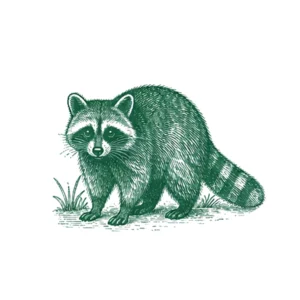
Raccoons in the Attic: What Homeowners Should Know
Raccoons are the most costly and dangerous wildlife intruder in Grand Prairie TX attics. Here’s what every homeowner needs to know:
How Raccoons Enter Attics
Raccoons are powerful animals — adult males weigh 15–30 pounds. They regularly tear through soffits, push open damaged fascia boards, and peel back shingles to create or enlarge entry points. Existing damage from storms, rot, or age makes a structure significantly more vulnerable. A raccoon will return to the same entry attempt point night after night until it succeeds.
Why Females Choose Attics
Pregnant females in late winter and early spring actively seek warm, dark, protected spaces to den and give birth. Attics perfectly replicate their natural den environments. A female raccoon with kits in your attic will aggressively defend the den space — never attempt to handle or approach a cornered raccoon.
Damage Raccoons Cause
Raccoons defecate in communal latrine sites — a single colony can deposit a concentration of droppings in one attic area over weeks. Raccoon feces harbor Baylisascaris procyonis (raccoon roundworm), a parasite that can cause serious neurological disease in humans and pets. Insulation soaked in urine must be removed and replaced. Raccoons also tear apart ductwork and chew through electrical wiring.
Legal Removal in Texas
Raccoons are a furbearing animal regulated by Texas Parks and Wildlife. Live trapping and relocation requires compliance with state regulations. Never attempt to poison raccoons — it is illegal and ineffective. Professional removal ensures legal compliance and humane handling. Call (972) 755-0755 for same-day raccoon removal in Grand Prairie TX.
Squirrels in the Attic: Signs and Solutions
Eastern gray squirrels are the most common attic-invading rodent in Grand Prairie TX. They breed twice a year — January–February and May–June — which drives two annual peaks in attic intrusions.
How Squirrels Get In
Squirrels are exceptional climbers and routinely access roofs via overhanging tree branches (trim branches to within 6 feet of roofline), utility lines, and rough brick and stucco surfaces. They enter through gaps at roof edges, open gable vents, deteriorated wood in the fascia and soffit, and construction gaps where different building materials meet.
The Biggest Squirrel Risk: Electrical Fires
Squirrels gnaw constantly to manage their ever-growing incisor teeth. Inside an attic, they gnaw on whatever is available — including electrical wiring. Chewed wire insulation is a documented cause of attic fires. If you have a confirmed squirrel infestation, an electrical inspection is strongly recommended after removal. In Grand Prairie TX’s older neighborhoods with aging electrical systems, this risk is not theoretical.
Effective Squirrel Removal
Live trapping using baited cage traps placed at entry points is the standard approach. One-way exclusion devices (installed at the primary entry point while other gaps are sealed) allow squirrels to exit but not re-enter — an effective approach when young squirrels may be in the attic. Young squirrels cannot be relocated without the mother, so timing and method matter significantly.
Preventing Re-Entry
All identified entry points must be sealed with galvanized hardware cloth or metal flashing — squirrels chew through wood, foam, and standard mesh. A professional inspection typically finds 5–10 potential entry points on a standard Grand Prairie home that need sealing.
Opossums Around Your Home: Should You Be Concerned?
Opossums are the only marsupial native to North America, and they’re common in Grand Prairie TX neighborhoods. Here’s an honest assessment of the risk they pose:
The Case for Concern
Opossums denning under your deck, porch, or in a crawl space create several problems. They defecate in and around their den site, creating odor and potential disease exposure (opossums carry leptospirosis). They can become aggressive when cornered — they do hiss and show teeth before playing dead. They carry fleas, ticks, and mites that can transfer to pets and eventually indoors. Opossums in crawl spaces can damage insulation and plumbing insulation.
The Partial Reassurance
Opossums are highly resistant to rabies due to their low body temperature. They rarely transmit rabies and rarely attack unless directly threatened. Their pest-control reputation is somewhat overstated — they do eat insects, ticks, and rodents, but not at the scale often claimed in popular articles.
What to Do
If an opossum is visiting your yard occasionally but not denning on the property, eliminating food sources (secured garbage, no outdoor pet food) typically resolves the problem within a few weeks. An opossum denning under a structure needs professional removal and exclusion of the den site. Call (972) 755-0755 for a same-day opossum assessment in Grand Prairie.
Skunks Around Your Property: What to Do
Skunks are common in Grand Prairie TX residential areas, particularly in neighborhoods near green spaces, creeks, and undeveloped land. They are primarily nocturnal and are rarely seen — but they make their presence known.
Signs of Skunk Activity
Cone-shaped holes in your lawn (1–3 inches diameter) indicate skunk digging for grubs. A faint, lingering musky odor around the foundation or under the deck indicates a skunk den or nighttime foraging. If you have dogs, a skunk encounter can happen quickly and without warning — often near the back door at dawn or dusk.
The Spray Risk
Skunks spray accurately up to 10–15 feet and can spray multiple times in rapid succession. They spray defensively when cornered, startled, or threatened. Dogs are the most common spray victims — and getting a dog de-skunked is a stressful, expensive process. Skunk spray also absorbs into building materials: a skunk that sprayed under a deck will leave an odor that persists for weeks in hot weather.
Lawn Damage
Skunks are responsible for significant lawn damage in Grand Prairie TX. Their grub-hunting behavior creates hundreds of small holes across a lawn overnight. If your lawn shows fresh, widespread shallow digging, suspect skunks (or armadillos — both target grubs). Treating the lawn with a grub killer (applied in late summer before grubs mature) reduces skunk attraction the following season.
Safe Removal
Skunk removal requires specialized equipment and technique to avoid triggering a spray during trapping. Never trap a skunk yourself unless you have a covered trap that prevents spray exposure. Professional wildlife technicians use covered cage traps and removal techniques that significantly reduce spray risk. Exclusion of den sites under decks and foundations — using underground L-shaped hardware cloth barriers — is the permanent solution. Call (972) 755-0755 for professional skunk removal in Grand Prairie TX.
🦝 Wildlife Problem in Grand Prairie TX?
We provide humane, same-day wildlife removal across Grand Prairie, Arlington, Mansfield, Irving, Duncanville, Cedar Hill, and all DFW communities. Raccoons, squirrels, opossums, skunks, armadillos — our licensed technicians handle them all.
(972) 755-0755 — Free Inspection & Estimate
Related Pest & Wildlife Services in Grand Prairie TX
- Wildlife Control Grand Prairie TX
- Rodent Control Grand Prairie TX
- General Pest Control Grand Prairie TX
- Wasp Control Grand Prairie TX — Complete Guide
- Winter Pest Control Guide for Grand Prairie TX
- Fall Pest Prevention for Grand Prairie TX Homes
Frequently Asked Questions About Wildlife Removal in Grand Prairie TX
How much does wildlife removal cost in Grand Prairie TX?
Wildlife removal in Grand Prairie TX typically costs $150–$700 depending on the animal and situation. Raccoon attic removal runs $300–$700. Squirrel removal runs $200–$500. Opossum and skunk removal runs $150–$600. Call (972) 755-0755 for a free estimate.
Is wildlife removal covered by homeowner’s insurance?
Standard homeowner’s insurance policies generally do not cover wildlife removal costs. However, damage caused by wildlife — such as chewed wiring or torn ductwork — may be covered under the dwelling damage portion of your policy, depending on your provider and policy terms. Document all damage with photos before work begins.
How long does wildlife removal take?
Live trapping typically requires 3–7 days to capture all animals in a colony. Entry point sealing is completed in a single visit. Full attic decontamination, if required, is scheduled as a separate service after removal is confirmed.
Can I remove wildlife myself in Texas?
Texas Parks and Wildlife regulations govern the trapping and relocation of furbearing animals including raccoons, opossums, and skunks. Relocation without the proper permits is illegal. Professional removal ensures compliance and prevents animals from being transported improperly. Contact a licensed wildlife removal company like ours at (972) 755-0755.
What is the best way to keep wildlife out of my attic?
Annual attic inspections to identify and seal entry points before nesting season (January–March), combined with chimney caps, screened gable vents, and trimming overhanging tree branches, provide the best long-term prevention. Professional exclusion is significantly cheaper than removal and remediation after an established infestation.
What should I do if I find a baby raccoon or squirrel?
Do not handle young wildlife with bare hands. If the mother is not present within 2–4 hours, contact a licensed wildlife rehabilitator. In Grand Prairie TX, call (972) 755-0755 for guidance — our team can assess whether the mother is still in the area and whether the young animals need professional intervention.